
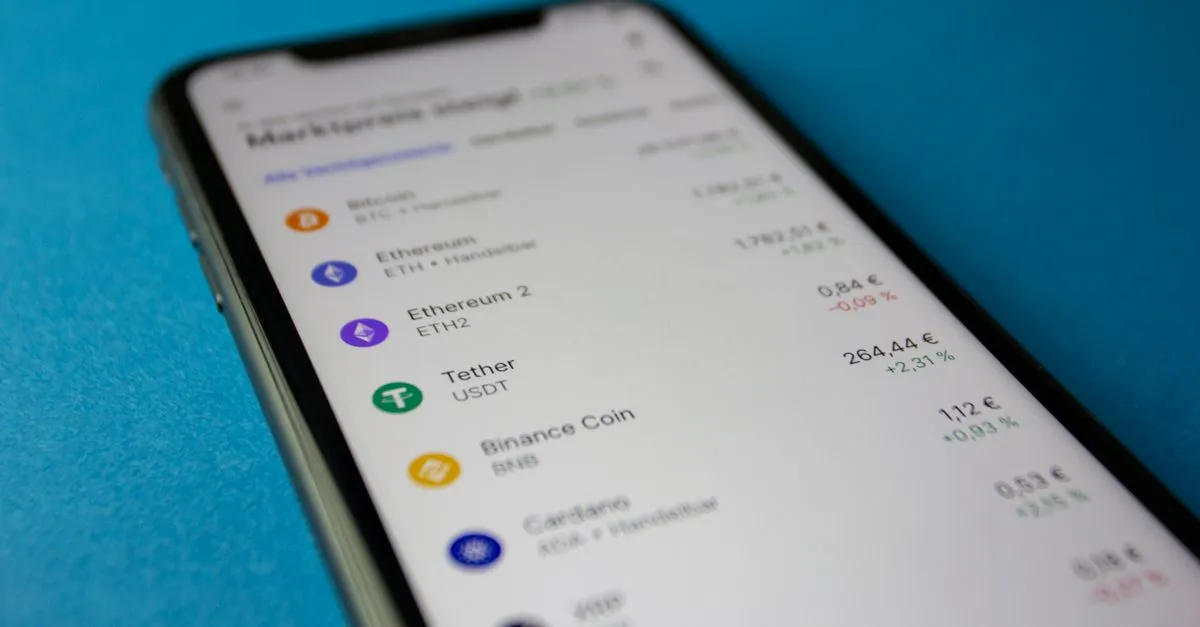
USDT Tops $140B as Exchange Reserves Hit Record High
A New Milestone for the World's Most-Traded Stablecoin
Tether's USDT has crossed the $140 billion mark in circulating supply, setting a fresh all-time high as exchange-held balances of the stablecoin climb to record levels. The milestone, reached on September 28, 2026, underscores the growing role of dollar-pegged tokens as the connective tissue of digital asset markets — and reinforces USDT's position as the dominant settlement asset across both centralized and decentralized venues.
According to on-chain data tracked by major analytics firms, USDT issuance has expanded at an accelerating pace through the third quarter, adding more than $18 billion since June alone. Roughly two-thirds of that growth has flowed directly onto exchanges, where stablecoin reserves are now at their highest point on record.
Why Exchange Reserves Matter
Exchange reserves — the balance of a given asset held in wallets controlled by trading platforms — are one of the most closely watched metrics in crypto markets. For stablecoins, rising reserves typically signal two things: incoming buying power, and a growing preference among traders to hold dry powder in dollar terms rather than rotate into volatile assets.
"Record stablecoin reserves are essentially a measure of market confidence and positioning," said an analyst at a digital asset research desk. "When USDT balances on exchanges hit highs, it means traders are ready to deploy capital. It doesn't guarantee a rally, but it does mean liquidity is sitting on the sidelines rather than parked in cold storage."
The current reserve build-up is notable for its breadth. Inflows are spread across USDT on TRC20, ERC20, BEP20, SOL, TON, and Polygon rails, suggesting that the growth is driven by diverse user bases rather than a single corridor.
Multichain Demand Drives Supply Growth
A significant share of recent USDT expansion has occurred outside Ethereum. TRC20 remains the most-used rail for peer-to-peer transfers and remittance-style flows, while BEP20 and Solana have absorbed growing volumes from active traders seeking faster, cheaper settlement. The TON and Polygon networks have also recorded steady increases in stablecoin activity, reflecting the broader multi-chain reality of 2026.
For freelancers and online earners who invoice in digital dollars, this matters in practical terms: liquidity is deeper, spreads are tighter, and conversion options are wider than at any prior point in the market cycle.
Trading Takeaways
Record stablecoin reserves don't move markets on their own, but they change the conditions under which markets move. Here are practical considerations for active participants:
- Watch the reserve-to-price relationship. Historically, sustained increases in exchange stablecoin balances have preceded periods of elevated volatility — in either direction. Treat high reserves as a signal of pent-up activity, not a directional prediction.
- Choose the right chain. USDT on TRC20 remains one of the cheapest options for smaller transfers, while ERC20 is often required for certain DeFi protocols. BEP20, SOL, TON, and Polygon offer a middle ground of speed and low fees. Always verify network compatibility before sending.
- Diversify settlement rails. Holding value exclusively in one stablecoin or one chain concentrates smart contract and network risk. USDC, alongside USDT, is a widely accepted alternative for traders who want redundancy.
- Keep reserves working. Idle stablecoin balances can earn yield through lending markets or exchange products, but rates and counterparty risks vary. Read the terms before committing capital.
- Monitor regulatory headlines. Stablecoin issuance remains a focus area for policymakers. Any significant regulatory development could affect redemption terms, chain availability, or listing status across exchanges.
What to Watch Next
Two indicators will shape the narrative from here. First, whether the pace of USDT minting continues or plateaus — a slowdown would suggest the current reserve build is mature. Second, whether stablecoin reserves translate into spot buying volume or remain parked as a defensive allocation.
Traders should also keep an eye on the spread between USDT and USDC market shares, as well as activity on emerging rails such as TON and Solana, which have been gaining ground among retail users.
The Bigger Picture
Crossing $140 billion is more than a headline number. It reflects the steady normalization of dollar-denominated tokens as everyday financial infrastructure — used for trading, remittances, payroll, and cross-border settlement by freelancers, exchanges, and businesses alike. Payment rails such as RedotPay, WebMoney, Volet/Advcash, Skrill, Payeer, Perfect Money, PayPal, Neteller, Nagad, Rocket, Local Pay, and Nexus Pay increasingly interoperate with stablecoin flows, blurring the line between traditional digital payments and on-chain settlement.
Whether that infrastructure continues to deepen will depend on issuance transparency, regulatory clarity, and — above all — user trust. For now, the market's message is clear: the dollar token economy is not just growing. It is becoming the base layer of crypto liquidity itself.




