
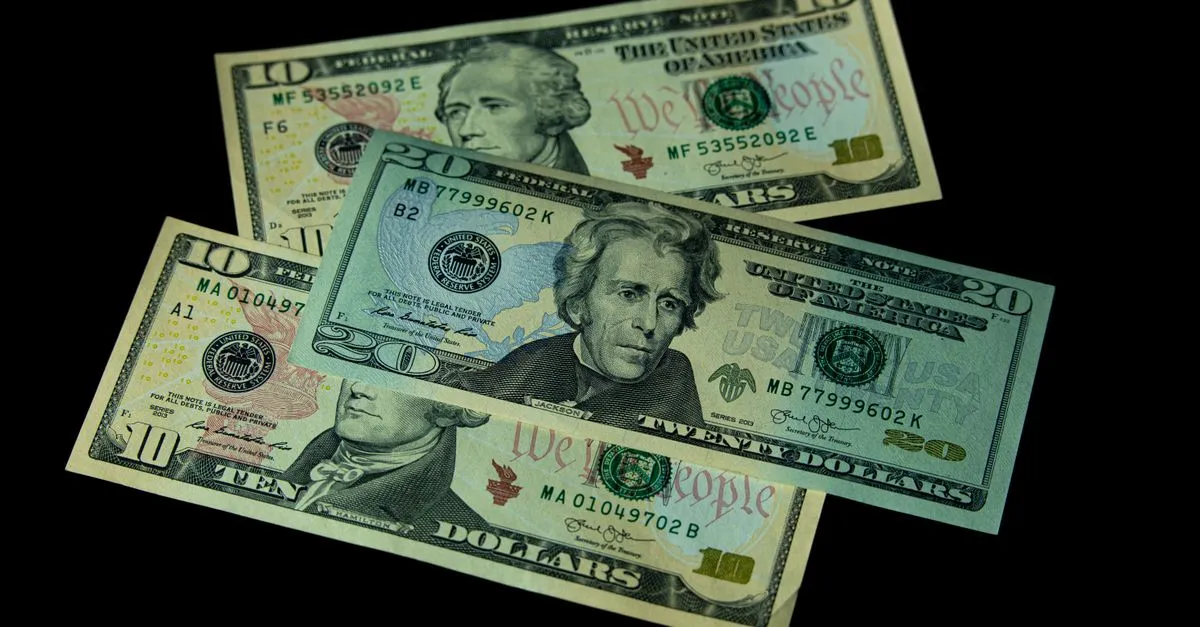
The Modern Dilemma of Exchanging Dollars
The Modern Dilemma of Exchanging Dollars
For freelancers, remote workers, and online entrepreneurs, receiving payments in US dollars is often the easy part. The real challenge comes when it’s time to turn those digital dollars into spendable local currency. Whether you’re a seasoned crypto trader cashing out gains or a new freelancer receiving your first international wire, knowing where to exchange dollars safely, quickly, and at the best rate is a critical financial skill. Traditional methods still exist, but a quiet revolution in fintech and blockchain technology has completely redefined what “local dollar exchange” means.
The Conventional Route: Banks and Exchange Bureaus
For decades, banks and physical currency exchange booths were the default answer to exchanging dollars. Banks accept wire transfers and can convert USD into your account’s base currency. However, they often operate with wide spreads, flat fees, and processing times that can stretch for days. A typical bank might charge 2–5% above the interbank rate, plus a fixed incoming wire fee, making it an expensive option for smaller amounts.
Currency exchange kiosks offer immediate cash, but they come with their own drawbacks. They are limited to business hours, require physical travel, and frequently mark up the exchange rate significantly—especially for high-demand currencies. For regular dollar earners, the cumulative cost of using these legacy services can eat into your hard-earned income.
When Banks and Kiosks Still Make Sense
- You need physical cash immediately and can visit the location without hassle.
- The dollar amount is exceptionally large, and you value the perceived security of a traditional institution.
- Your local regulations make online or crypto-based exchange less straightforward.
For most digitally-savvy users, however, the speed, cost-efficiency, and flexibility of online platforms have made conventional methods a second choice.
The Digital Advantage: Why More People Are Moving Online
Online dollar exchange platforms, especially those built around digital currencies and e-wallets, have dismantled the barriers that made local cash conversion expensive. By connecting dollar senders directly with recipients through peer-to-peer (P2P) marketplaces or instant swap mechanisms, these platforms often offer rates that hug the real mid-market price and complete transactions in minutes rather than days. The key shift has been the rise of the dollar-backed stablecoin, which acts as a bridge between traditional fiat and local spending power.
Leveraging Stablecoins: The Dollar on the Blockchain
Stablecoins like USDT (Tether) and USDC are crypto tokens pegged 1:1 to the US dollar. They move instantly on blockchain rails, cost fractions of a cent to send, and can be held in a self-custody wallet or on a trusted exchange. This makes them the ideal instrument for anyone who receives dollars online. Instead of waiting for a slow SWIFT transfer, you can receive USDT on the TRC20, ERC20, BEP20, SOL, TON, or Polygon network and then decide when and how to exchange it for your local currency.
How to Use Stablecoins to Exchange Dollars
- Receive USD as stablecoin: Ask your client or platform to pay you in USDT or USDC via a network you both support.
- Move funds to a versatile exchange: A secure platform that supports multiple chains and local off-ramps becomes your command center.
- Sell on a P2P marketplace: List your stablecoins for sale, setting your desired local currency price, or accept a buyer’s offer. The exchange holds the crypto in escrow until the buyer confirms local payment.
- Withdraw to your bank or e-wallet: Many platforms also offer direct withdrawal options, converting your stablecoin to fiat at competitive rates.
Peer-to-Peer (P2P) Platforms for Direct Exchange
A robust P2P marketplace is often the most efficient place to exchange dollars because it cuts out the middleman. You trade directly with another individual who wants to buy your stablecoins. This model naturally keeps rates attractive for both sides. When choosing a P2P venue, look for strong escrow protection, verified user badges, and a responsive dispute resolution team. The platform’s reputation is your safety net.
On a well-designed exchange, you can filter offers by payment method, currency, and amount, completing an exchange in seconds without ever needing to leave your home. The only requirement is a local bank account or digital wallet to receive funds, which is exactly what makes the service so adaptable to any region.
E-Wallets and Digital Payment Gateways
Beyond crypto-native tools, several international e-wallet systems serve as powerful dollar exchange hubs. WebMoney and Volet/Advcash allow users to hold US dollar balances and transfer them to other users or linked bank accounts. RedotPay focuses on bridging crypto and everyday spending by issuing virtual or physical cards that let you spend your USDT directly at merchants worldwide.
These services integrate with modern exchange platforms so you can seamlessly move dollars between a stablecoin, an e-wallet, and your local currency. This multi-layered approach gives you control over timing, rates, and the specific payment rail that works best for your situation. For freelancers who work across multiple international platforms, consolidating dollars in a single, versatile wallet streamlines cash flow and reduces exchange losses.
Why Cryptocurrency Exchange Platforms Offer Better Rates
Unlike a bank that takes a hefty spread as profit, a crypto exchange’s P2P ecosystem thrives on liquidity and competition. Thousands of buyers and sellers around the globe set their own rates, naturally converging toward the fair market value. The platform typically charges a small, transparent fee, leaving you with a significantly higher net amount than you’d get through traditional channels. Additionally, because stablecoin transactions settle instantly, you avoid the hidden cost of float—the interest lost while your money sits in limbo during a bank transfer.
Leading




