
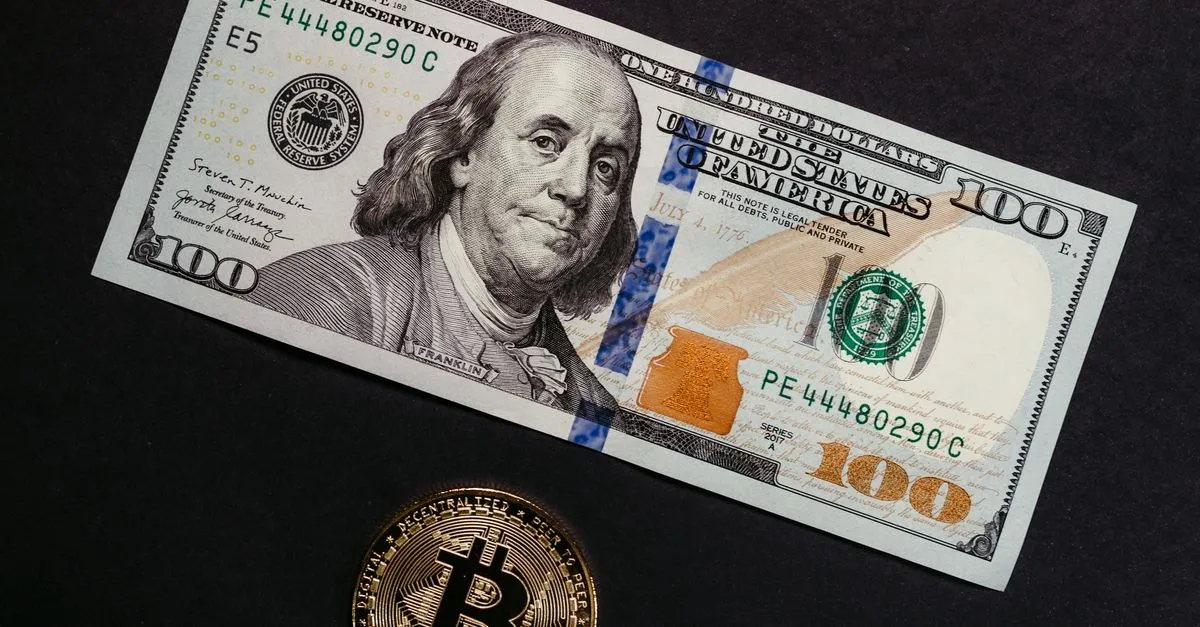
P2P Dollar to Crypto Exchange Platforms: Secure Guide
Peer-to-Peer Dollar to Crypto Exchange Platforms: A Smarter Path to Digital Assets
The way people move value across borders has fundamentally changed. For freelancers, remote earners, and active crypto traders, converting fiat dollars into digital assets quickly and at fair rates is no longer a luxury—it is a core part of managing income. Peer-to-peer dollar to crypto exchange platforms have emerged as one of the most flexible alternatives to traditional order-book exchanges, giving users direct access to counterparties and a wider variety of payment methods. But how do these platforms actually work, and what should you look for before you trust one with your funds?
This guide breaks down the mechanics, benefits, and best practices of P2P fiat-to-crypto exchange, so you can convert dollars into assets like USDT, BTC, and ETH with confidence.
What Is a Peer-to-Peer Dollar to Crypto Exchange Platform?
A peer-to-peer (P2P) exchange platform is a marketplace where buyers and sellers transact directly with one another. Rather than buying crypto from a centralized pool of liquidity at a fixed market price, you are matched with another user who wants the opposite side of the trade. The platform provides the infrastructure—escrow, identity verification, dispute resolution, and reputation systems—but the actual exchange happens between two individuals.
This model is especially valuable when converting fiat currency such as USD into stablecoins or major cryptocurrencies. Instead of navigating a rigid order book, you can agree on a price, select a payment rail, and settle the trade. The platform holds the crypto in escrow until payment is confirmed, which protects both parties from fraud.
How a Typical P2P Dollar-to-Crypto Trade Works
- Choose your asset: Select the cryptocurrency you want to buy—USDT (TRC20, ERC20, BEP20, SOL, TON, Polygon), BTC, ETH, LTC, SOL, BNB, DOGE, TON, TRX, or USDC.
- Select a seller: Browse offers filtered by price, payment method, and seller reputation.
- Place an order: Enter the dollar amount and confirm the trade. The seller's crypto is locked in escrow.
- Send payment: Pay the seller using an accepted rail such as Payeer, Skrill, Payeer, Perfect Money, PayPal, Neteller, RedotPay, WebMoney, Volet/Advcash, Nagad, Rocket, Local Pay, or Nexus Pay.
- Release crypto: Once the seller confirms receipt, the crypto is released from escrow to your wallet.
Why Freelancers and Online Earners Favor P2P Dollar Exchange
Freelancers and online earners often receive payments in dollars but operate in environments where accessing a traditional crypto exchange can be slow, expensive, or restricted. P2P platforms solve several pain points at once.
Broader Payment Rail Support
Not everyone has access to the same banking infrastructure. P2P marketplaces support a wide spread of payment methods—from digital wallets like Skrill, Neteller, and WebMoney to services like RedotPay, Volet/Advcash, and Perfect Money. This flexibility means you can convert earned dollars using the rails you already rely on, without opening new bank accounts.
Competitive, Negotiable Pricing
Because sellers compete for buyers, P2P pricing is often tighter than the retail rates offered by traditional exchanges, particularly for stablecoin purchases. Traders can compare offers across dozens of sellers and choose the best combination of rate and payment method.
Faster Access to Stablecoins
For many earners, USDT has become the working currency of the digital economy. P2P platforms make it straightforward to convert dollars into USDT on networks like TRC20, ERC20, BEP20, SOL, TON, or Polygon—giving you fast settlement and low transfer fees for onward payments.
Key Features to Evaluate Before You Trade
Not all P2P platforms are created equal. When evaluating peer-to-peer dollar to crypto exchange platforms, prioritize the following.
- Escrow protection: Crypto should be locked by the platform—not held by the seller—until payment is verified.
- Reputation and verification: Look for tiered KYC, seller ratings, trade history, and completion rates.
- Dispute resolution: A responsive support team with clear evidence-based dispute procedures is essential.
- Payment method breadth: The more rails supported—Skrill, PayPal, Payeer, Perfect Money, Neteller, RedotPay, WebMoney, Volet/Advcash, Nagad, Rocket, Local Pay, Nexus Pay—the more flexibility you have.
- Network and asset variety: Support for multiple chains (TRC20, ERC20, BEP20, SOL, TON, Polygon) and assets (BTC, ETH, LTC, SOL, BNB, DOGE, TON, TRX, USDC) reduces friction.
- Fees and limits: Transparent fee structures and reasonable trade limits matter more than headline rates.
P2P vs. Centralized Exchange: Which Should You Use?
Centralized exchanges offer deep liquidity and instant fills, but they can be rigid when it comes to fiat on-ramps and local payment methods. P2P platforms trade some of that convenience for flexibility: you get access to more payment rails, negotiable pricing, and direct counterparty interaction. Many experienced traders use both—centralized venues for large market orders and P2P marketplaces for fiat conversions and stablecoin top-ups.
Best Practices for Safe P2P Trading
Security in P2P trading depends heavily on user discipline. Always keep trades inside the platform's escrow system, never release crypto before confirming payment in your own account, and verify that the sender's name matches the trade details. Communicate only through platform messaging, and review seller ratings carefully before committing larger sums. When in doubt, start with a small test trade to validate the counterparty and payment rail.
The Bottom Line
Peer-to-peer dollar to crypto exchange platforms give freelancers, online earners, and traders a practical, flexible route from fiat to digital assets. With escrow protection, broad payment rail support, and competitive pricing, they have become a trusted alternative for converting dollars into USDT, BTC, ETH, and more. Choose a platform with strong verification, transparent fees, and responsive dispute handling—and P2P exchange can become one of the most reliable tools in your financial workflow.




